May 2025

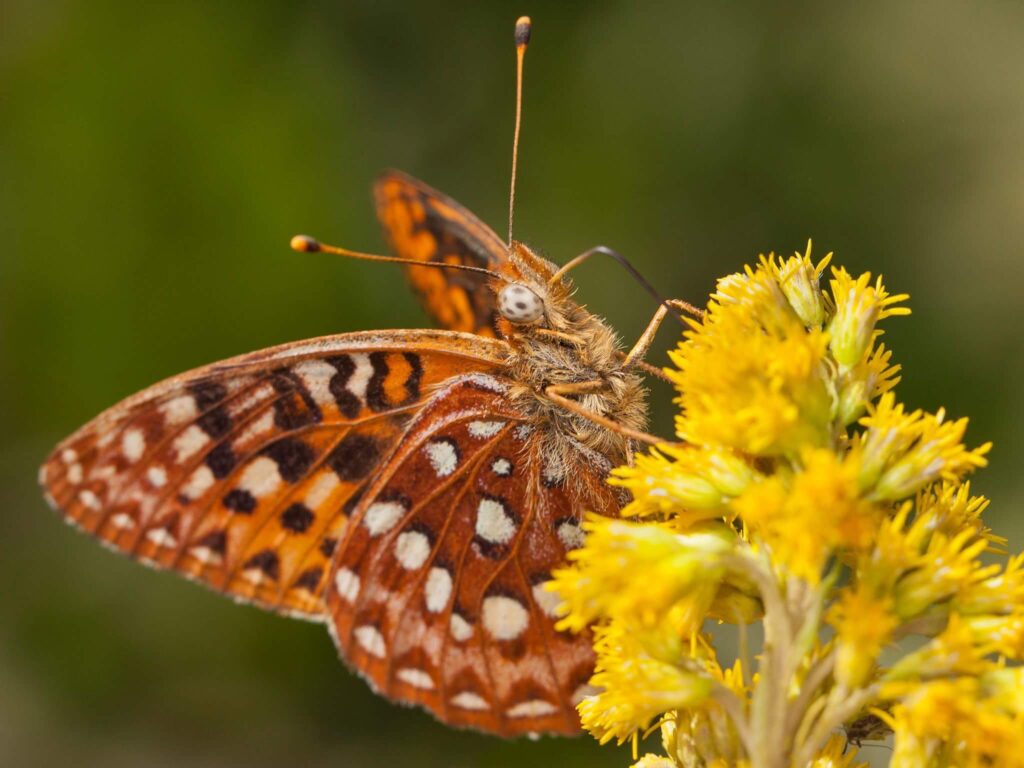
Oregon Silverspot Butterfly

Speyeria zerene hippolyta Habitat, Diet & Status Habitat: Coastal salt-spray meadows and stabilized dunes with abundant early blue violets (Viola adunca)ESA Status: Threatened (listed in 1980)Diet: Larvae feed exclusively on early blue violets; adults consume nectar from native wildflowers The Oregon silverspot butterfly is a striking orange-brown species known for the metallic silver spots on […]

Oregon Silverspot Butterfly Read More »
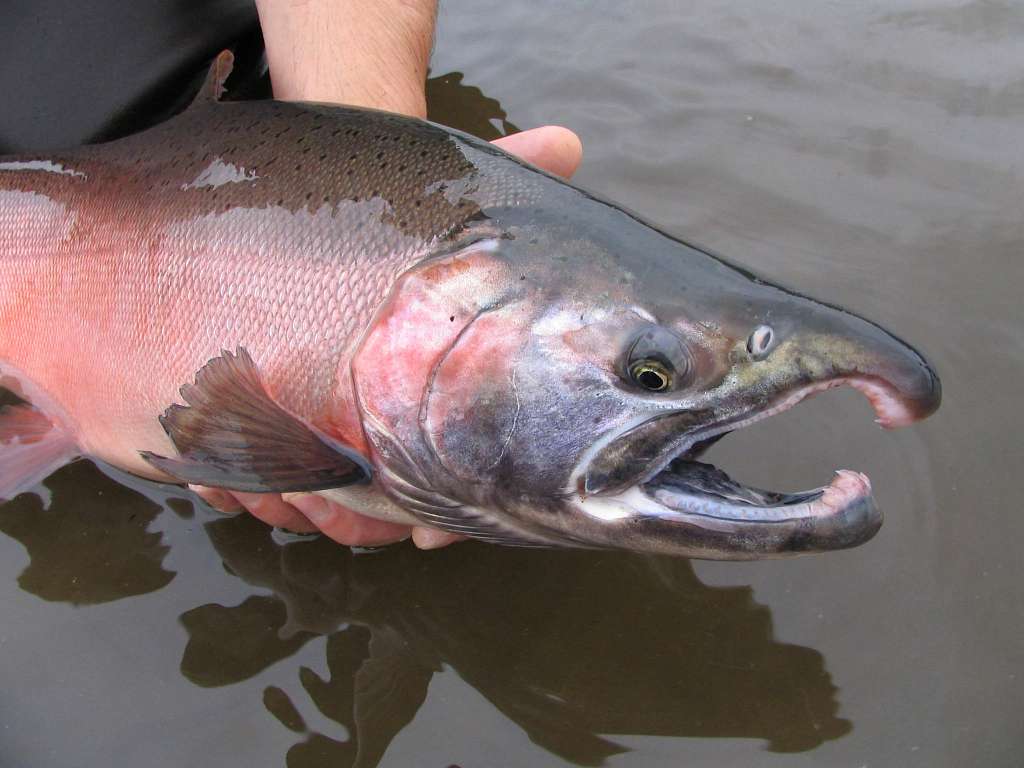
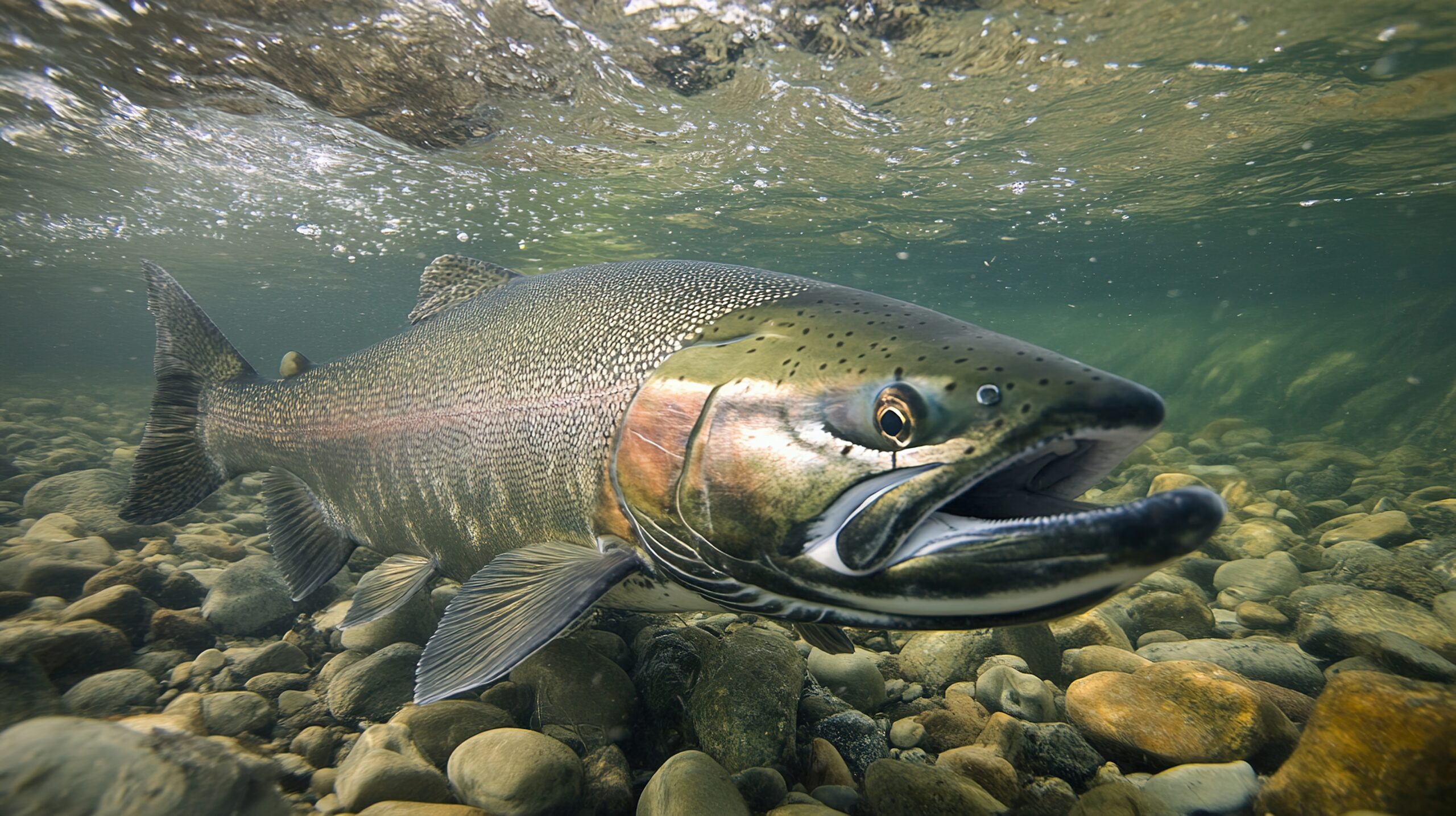
Coho Salmon

Oncorhynchus kisutch Habitat, Diet & Status Habitat: Coastal rivers and streams with clean gravel beds and cool, well-oxygenated water; nearshore ocean environments during adult life stagesESA Status: Threatened (Oregon Coast Evolutionarily Significant Unit)Diet: Juveniles feed on aquatic insects and plankton; adults consume smaller fish and marine invertebrates Coho salmon are anadromous fish—born in freshwater, they

Coho Salmon Read More »

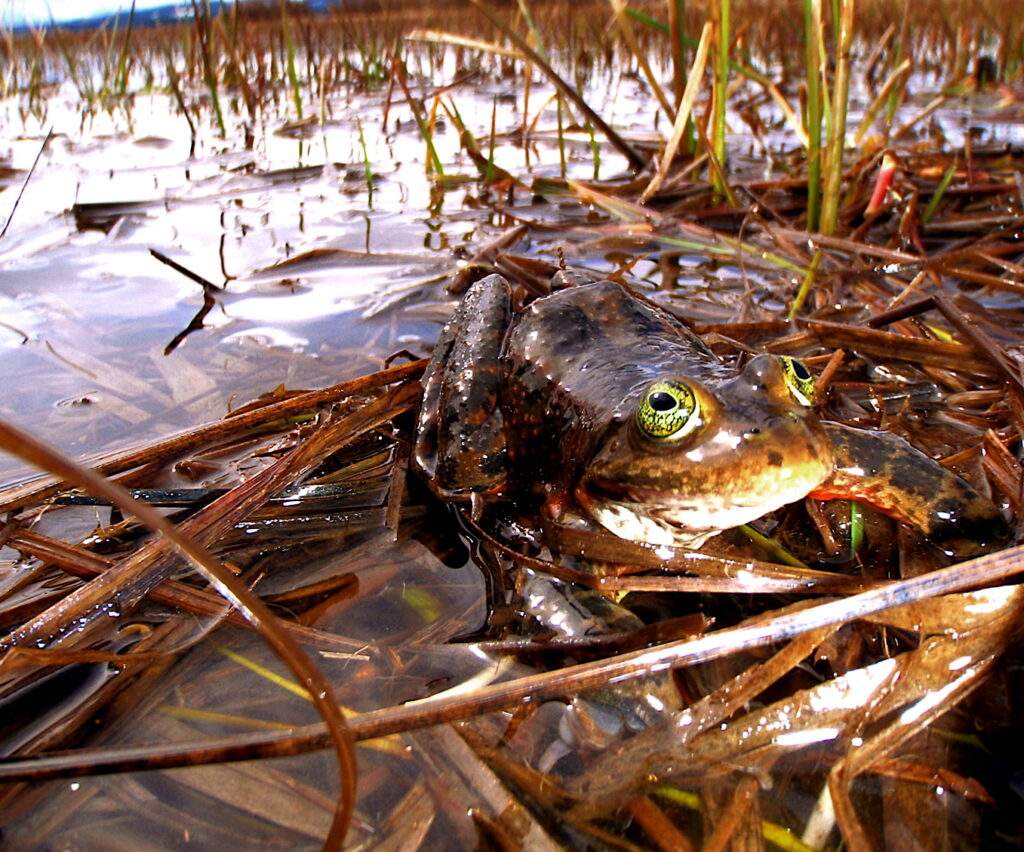
Oregon Spotted Frog

Rana pretiosa Habitat, Diet & Status Habitat: Shallow, warm wetlands with abundant emergent vegetation, including marshes, ponds, and slow-moving streamsESA Status: Threatened (listed in 2014)Diet: Primarily insects and other small invertebrates; tadpoles consume algae and detritus The Oregon spotted frog is one of the most aquatic native frogs in the Pacific Northwest, rarely straying far

Oregon Spotted Frog Read More »

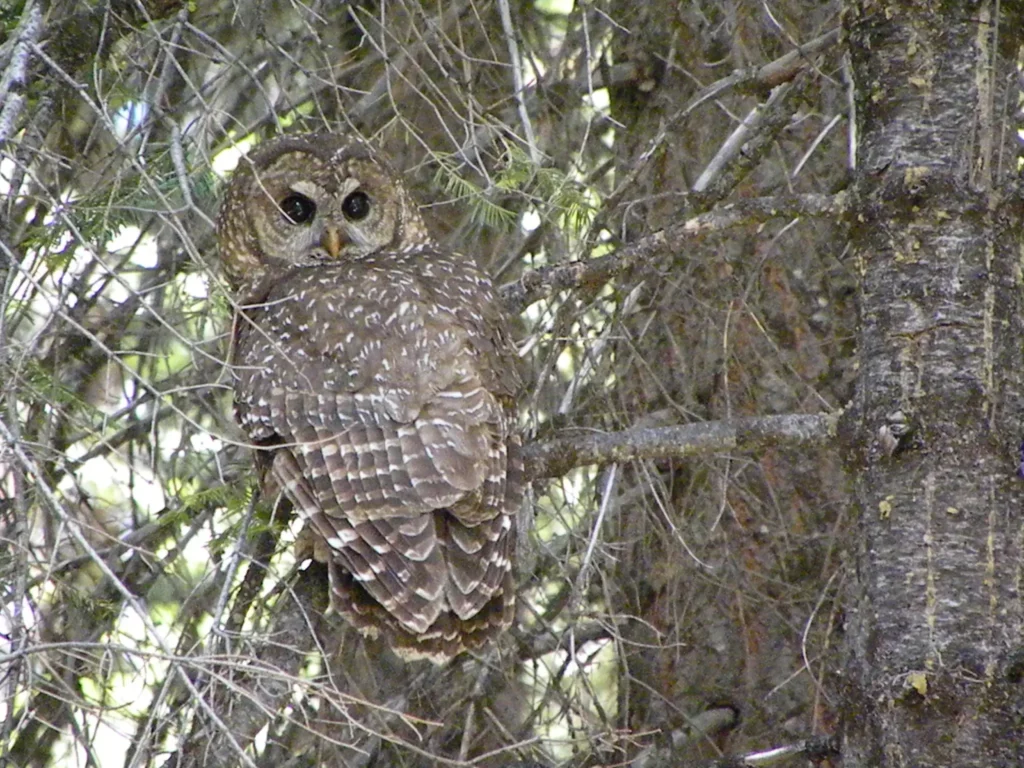
Northern Spotted Owl

Strix occidentalis caurina Habitat, Diet & Status Habitat: Mature and old-growth coniferous forests in the Pacific Northwest, including Douglas-fir, western hemlock, and red cedar standsESA Status: Threatened (listed in 1990)Diet: Primarily small mammals such as flying squirrels, woodrats, voles, and mice The northern spotted owl is a medium-sized, nocturnal raptor known for its dark brown

Northern Spotted Owl Read More »

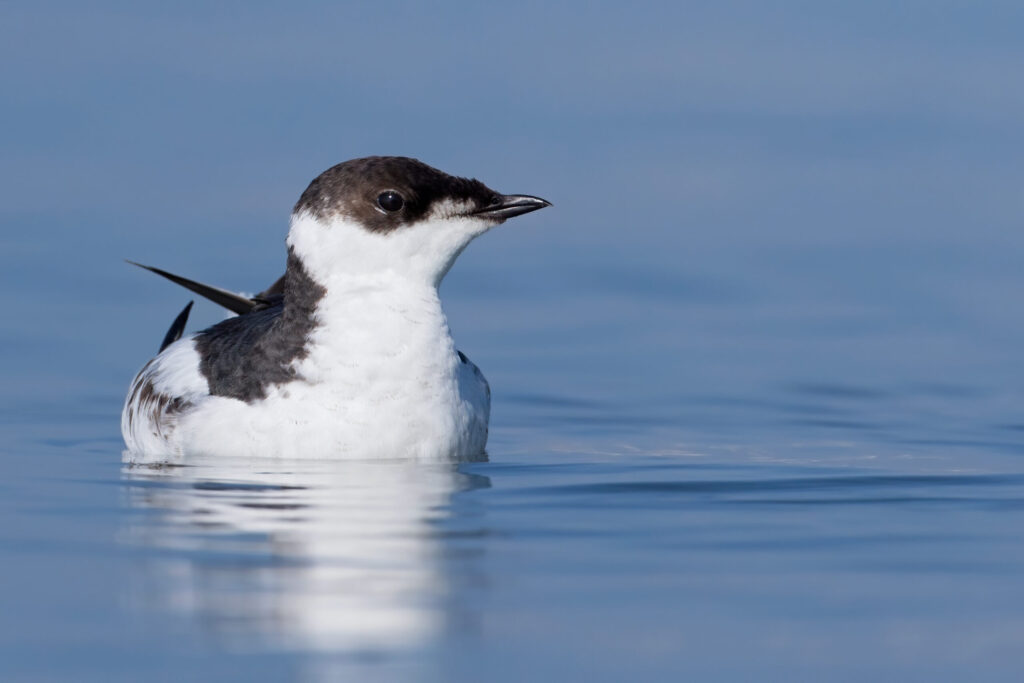
Marbled Murrelet

Brachyramphus marmoratus Habitat, Diet & Status Habitat: Nests in old-growth forests; forages in nearshore Pacific coastal watersESA Status: ThreatenedDiet: Small fish (such as sand lance and anchovies) and marine invertebrates The marbled murrelet is a small seabird with a secretive life history—one that spans the boundary between ocean and forest. Unlike most seabirds, it nests

Marbled Murrelet Read More »

Coastal Chinook Salmon

Oncorhynchus tshawytscha Habitat, Diet & Status Habitat: Coastal rivers and ocean waters from California to British ColumbiaESA Status: Varies by population—several runs are listed as ThreatenedDiet: Insects and plankton (as juveniles); squid, herring, and other fish (as adults) Chinook salmon are the largest of the Pacific salmon and a cornerstone species in coastal ecosystems. Born

Coastal Chinook Salmon Read More »

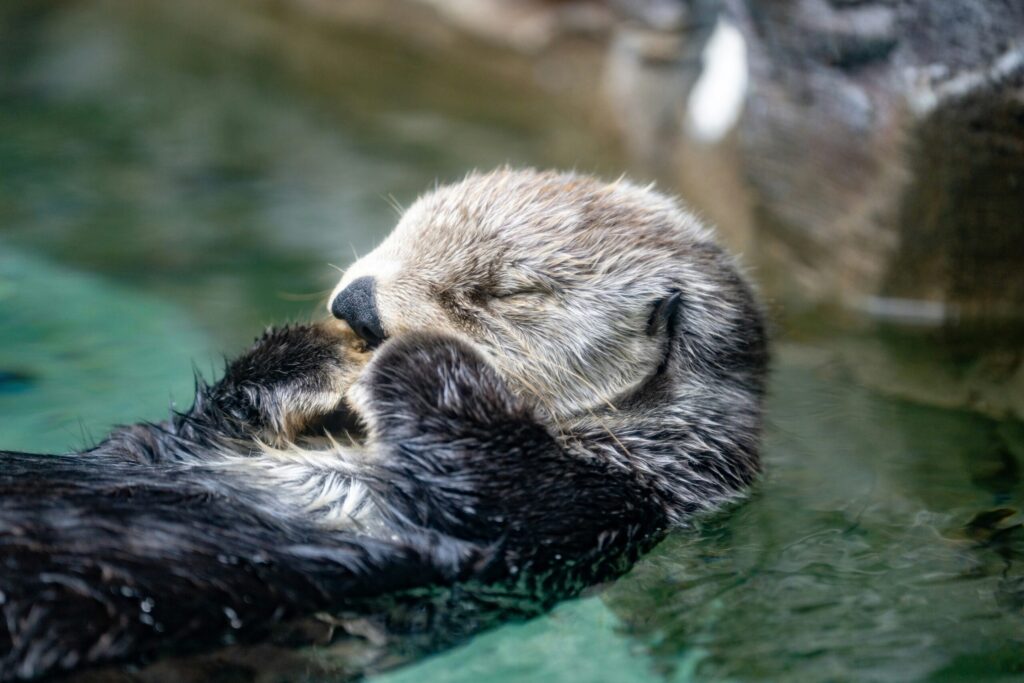
Sea Otter

Enhydra lutris kenyoni Habitat, Diet & Status Habitat: Kelp forests and rocky coastlines along the North Pacific, historically including the Oregon coastESA Status: Threatened (southern population); extirpated from OregonDiet: Sea urchins, crabs, clams, mussels, and other marine invertebrates Sea otters are ecosystem engineers that play a crucial role in maintaining the health of nearshore marine

Sea Otter Read More »

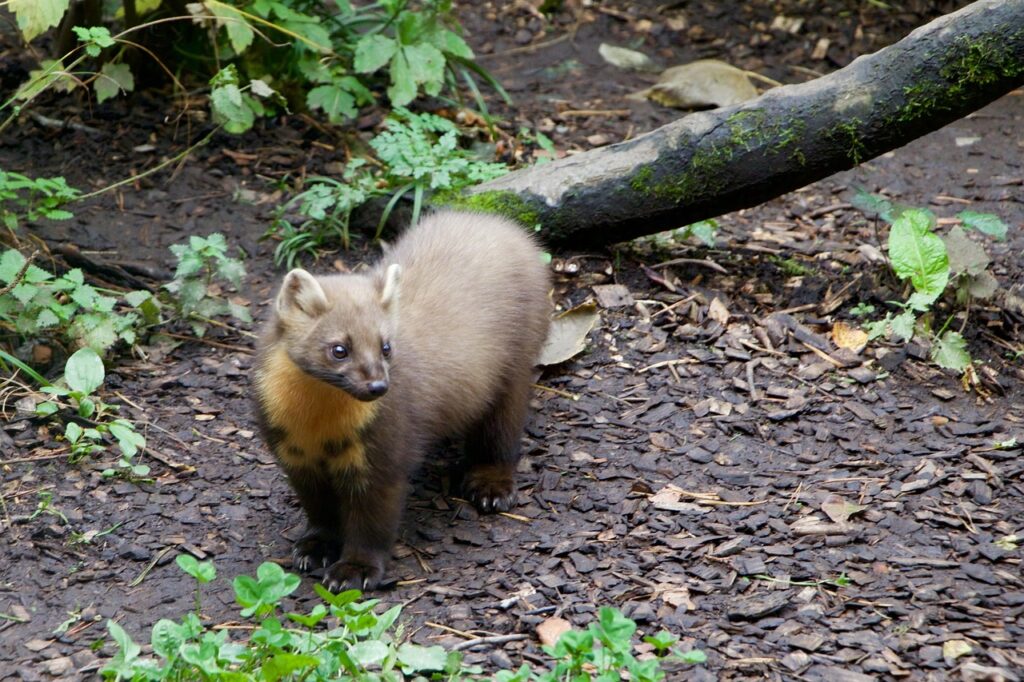
Pacific Marten

Martes caurina humboldtensis Habitat, Diet & Status Habitat: Old-growth conifer forests in the coastal mountains of Oregon and Northern CaliforniaESA Status: Threatened (distinct population segment)Diet: Small mammals (especially voles), birds, berries, and insects The Pacific marten is a keystone predator in old-growth forest ecosystems, helping to regulate rodent populations and maintain balance across plant and

Pacific Marten Read More »

Scroll to Top